I represent the first generation who, when we were born, the television was now a permanent fixture in our homes. When I was born people had breakfast with Barbara Walters, dinner with Walter Cronkite, and slept with Johnny Carson. Read the full "Pre-ramble"
Friday, April 10, 2020
Monday, April 06, 2020
This Week in Television History: April 2020 PART I
April 8, 1990
Twin
Peaks debuts.
Director David Lynch's surreal series, Twin
Peaks, premieres on ABC. The
show, with its bizarre characters and baffling story line, became an instant
cult hit. Kyle MacLachlan starred as Dale Cooper, an FBI agent assigned to
visit a small town in the Pacific Northwest to try to unravel the mystery of
the murder of resident Laura Palmer. The series ran until June 1991.
April 8, 1990
Twin
Peaks debuts.
Director David Lynch's surreal series, Twin
Peaks, premieres on ABC. The
show, with its bizarre characters and baffling story line, became an instant
cult hit. Kyle MacLachlan starred as Dale Cooper, an FBI agent assigned to
visit a small town in the Pacific Northwest to try to unravel the mystery of
the murder of resident Laura Palmer. The series ran until June 1991.
To quote the Bicentennial Minute, "And that's the way it was".
Friday, April 03, 2020
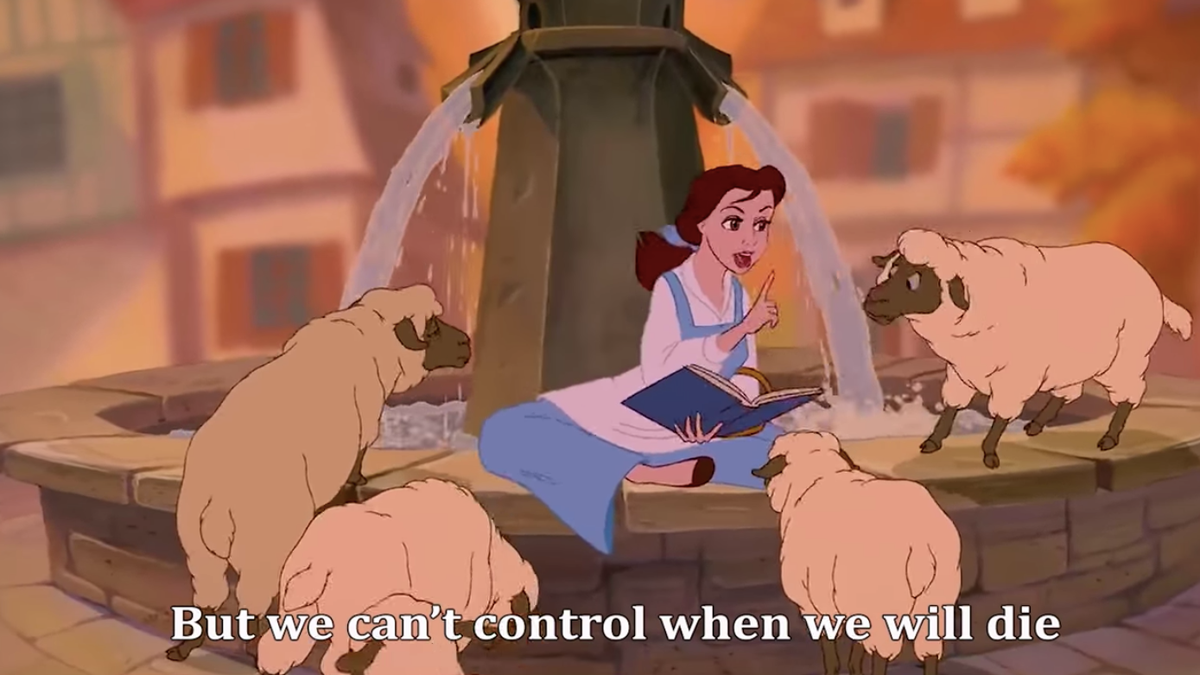
Your Mental Sorbet: Beauty And The Beast- The Corona Version

Here is another
that we could use to momentarily forget about those
things that leave a bad taste in our mouths
Monday, March 30, 2020
This Week in Television History: March 2020 PART V
March 30, 1962
Jack Paar films his final episode of The Tonight
Show.
Paar had hosted the show
since July 1957, six months after Steve Allen stepped down. Paar was known for
his emotional outbursts, which included walking off the set of The Tonight
Show on February 11, 1960, to protest network censorship of his jokes. The
unflappable Johnny Carson took over as host starting in October 1962.
April
3, 1980
The
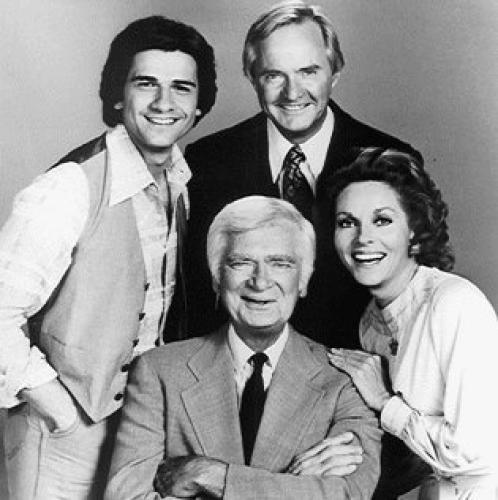
final episode of Barnaby Jones
aired.
April 5, 1980
The final episode of "Hawaii Five-O"
aired.
March 30, 1962
Jack Paar films his final episode of The Tonight
Show.
Paar had hosted the show
since July 1957, six months after Steve Allen stepped down. Paar was known for
his emotional outbursts, which included walking off the set of The Tonight
Show on February 11, 1960, to protest network censorship of his jokes. The
unflappable Johnny Carson took over as host starting in October 1962.
April
3, 1980
The
final episode of Barnaby Jones
aired.

April 5, 1980
The final episode of "Hawaii Five-O"
aired.
To quote the Bicentennial Minute, "And that's the way it was".
Friday, March 27, 2020
Your Mental Sorbet: ABC Wide World of Sports - "The Harlem Globetrotters in Sierra Vista" (1978)
I felt like playing every day because the fans would motivate me.
Even though we had long bus rides and our kneecaps were sore and our backs were hurting and our ankles were twisted, the fans always motivated us. Once we got off the bus.
After we saw all those fans, even though some of us had the flu sometimes, we still played.
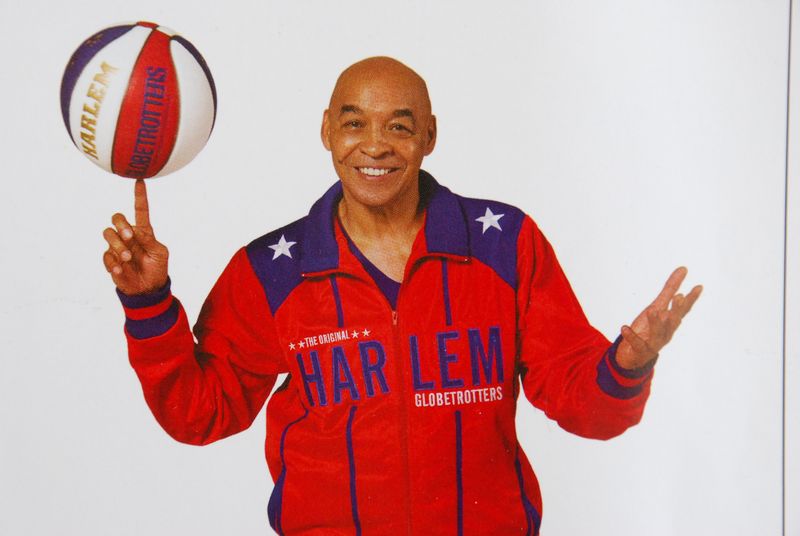
Curly Neal
![]() |
| Fred "Curly" Neal (May 19, 1942 - March 26, 2020) |
Here is another
that we could use to momentarily forget about those
things that leave a bad taste in our mouths
Monday, March 23, 2020
This Week in Television History: March 2020 PART IV
March 23, 1940
A decade later it moved to television on CBS. Contestants on the show were asked trick questions
which they almost always failed to answer correctly. If they answered
incorrectly, or failed to come up with any answer in a short time, Beulah the
Buzzer went off. The host then told them that since they had failed to tell the
truth, they would have to pay the consequences. Consequences consisted of
elaborate stunts, some done in the studio and others done outside, some
completed on that week's episode and others taking a week or more and requiring
the contestant to return when the stunt was completed. Some of the stunts were
funny, but more often they were also embarrassing, and occasionally they were
sentimental like the reunion with a long-lost relative or a relative/spouse
returning from military duty overseas, particularly Vietnam. Sometimes, if that
military person was based in California, his or her spouse or parents were
flown in for that reunion.
The spa city of "Hot Springs" in Sierra
County, New Mexico took the name Truth or Consequences in1950, when host Ralph Edwards announced that he
would do the program from the first town that renamed itself after the show.
Ralph Edwards came to the town during the first weekend of May for the next
fifty years.
The original TV version of this series, with Edwards as host, lasted only a
single season. When in returned three years later on NBC, Jack
Bailey was the host, later replaced
by Steve Dunne.
NBC aired a daytime version of the show from 1956 to 1965, first with Jack
Bailey again as host, succeeded by Bob
Barker. Barker remained with the show
through the rest of the daytime run and on into the original syndicated run
from 1966 to 1974. During Barker's run as host, "Barker's Box" was
played. Barker's Box was a box with four drawers in it. A contestant able to
pick the drawer with money in it won a bonus prize. Bob Hilton hosted a
short-lived syndicated revival from 1977 to1978 and in the fall of 1987, comic
Larry Anderson became the host of another short-lived version.
March 23, 1950
Beat the Clock premiered on
CBS-TV.
Beat
the Clock is a Goodson-Todman game show that
aired on American television in several versions since 1950.
The original show, hosted
by Bud Collyer, ran on CBS from 1950 to 1958 and ABC from 1958 to 1961. The show was revived in
syndication as The New Beat the Clock from 1969 to 1974,
with Jack Narz as host until 1972, when he was replaced by the
show's announcer, Gene Wood. Another version ran on CBS from 1979 to 1980
(as The All-New Beat the Clock, and later as All-New
All-Star Beat the Clock), with former Let's Make a Deal host Monty Hall as
host and Narz as announcer. The most recent version aired in 2002 on PAX (now
ION) with Gary Kroeger and Julielinh Parker as co-hosts. The series was
also featured as the third episode ofGameshow
Marathon in 2006. Ricki Lake hosted
while Rich Fields announced.
In 2013, the show appeared
in TV Guide's list of the 60 greatest game shows ever.
March 24, 1980
The
late-night news program Nightline, anchored by Ted Koppel, airs for the
first time on ABC.
The show that
would become Nightline first aired during the 1979 Iranian hostage
crisis, during which Iranians seized the U.S. embassy in Iran, taking 66
Americans hostage. To cover the story as it unfolded, ABC debuted a late-night
news show called The Iran Crisis: America Held Hostage, which was
normally anchored by Fred Reynolds. When the crisis ended, the show became a
more general news show called Nightline and Koppel, who had already
worked for ABC News in various capacities since 1963, became its anchor.
Throughout its tenure on
television, Nightline has aired five nights a week at 11:30 p.m.,
competing with NBC’s The Tonight Show and CBS’s Late Show with David
Letterman for viewers during much of that time. Despite some threats of
cancellation over the years, Koppel’s professionalism and the show’s unique mix
of long-format interviews and investigative journalism kept the show popular
with audiences. Nightline remains the only news show of its genre to air
every weeknight.
In
November 2005, Ted Koppel left Nightline; he was replaced by the
three-anchor team of Martin Bashir, Cynthia McFadden and Terry Moran. The
program also introduced a new multi-topic format. In the past, each show had
concentrated on a single topic.
March 23, 1940
A decade later it moved to television on CBS. Contestants on the show were asked trick questions
which they almost always failed to answer correctly. If they answered
incorrectly, or failed to come up with any answer in a short time, Beulah the
Buzzer went off. The host then told them that since they had failed to tell the
truth, they would have to pay the consequences. Consequences consisted of
elaborate stunts, some done in the studio and others done outside, some
completed on that week's episode and others taking a week or more and requiring
the contestant to return when the stunt was completed. Some of the stunts were
funny, but more often they were also embarrassing, and occasionally they were
sentimental like the reunion with a long-lost relative or a relative/spouse
returning from military duty overseas, particularly Vietnam. Sometimes, if that
military person was based in California, his or her spouse or parents were
flown in for that reunion.
The spa city of "Hot Springs" in Sierra
County, New Mexico took the name Truth or Consequences in1950, when host Ralph Edwards announced that he
would do the program from the first town that renamed itself after the show.
Ralph Edwards came to the town during the first weekend of May for the next
fifty years.
The original TV version of this series, with Edwards as host, lasted only a single season. When in returned three years later on NBC, Jack Bailey was the host, later replaced by Steve Dunne. NBC aired a daytime version of the show from 1956 to 1965, first with Jack Bailey again as host, succeeded by Bob Barker. Barker remained with the show through the rest of the daytime run and on into the original syndicated run from 1966 to 1974. During Barker's run as host, "Barker's Box" was played. Barker's Box was a box with four drawers in it. A contestant able to pick the drawer with money in it won a bonus prize. Bob Hilton hosted a short-lived syndicated revival from 1977 to1978 and in the fall of 1987, comic Larry Anderson became the host of another short-lived version.
March 23, 1950
Beat the Clock premiered on
CBS-TV.
Beat
the Clock is a Goodson-Todman game show that
aired on American television in several versions since 1950.
The original show, hosted
by Bud Collyer, ran on CBS from 1950 to 1958 and ABC from 1958 to 1961. The show was revived in
syndication as The New Beat the Clock from 1969 to 1974,
with Jack Narz as host until 1972, when he was replaced by the
show's announcer, Gene Wood. Another version ran on CBS from 1979 to 1980
(as The All-New Beat the Clock, and later as All-New
All-Star Beat the Clock), with former Let's Make a Deal host Monty Hall as
host and Narz as announcer. The most recent version aired in 2002 on PAX (now
ION) with Gary Kroeger and Julielinh Parker as co-hosts. The series was
also featured as the third episode ofGameshow
Marathon in 2006. Ricki Lake hosted
while Rich Fields announced.
In 2013, the show appeared
in TV Guide's list of the 60 greatest game shows ever.
March 24, 1980
The
late-night news program Nightline, anchored by Ted Koppel, airs for the
first time on ABC.
The show that
would become Nightline first aired during the 1979 Iranian hostage
crisis, during which Iranians seized the U.S. embassy in Iran, taking 66
Americans hostage. To cover the story as it unfolded, ABC debuted a late-night
news show called The Iran Crisis: America Held Hostage, which was
normally anchored by Fred Reynolds. When the crisis ended, the show became a
more general news show called Nightline and Koppel, who had already
worked for ABC News in various capacities since 1963, became its anchor.
Throughout its tenure on
television, Nightline has aired five nights a week at 11:30 p.m.,
competing with NBC’s The Tonight Show and CBS’s Late Show with David
Letterman for viewers during much of that time. Despite some threats of
cancellation over the years, Koppel’s professionalism and the show’s unique mix
of long-format interviews and investigative journalism kept the show popular
with audiences. Nightline remains the only news show of its genre to air
every weeknight.
In
November 2005, Ted Koppel left Nightline; he was replaced by the
three-anchor team of Martin Bashir, Cynthia McFadden and Terry Moran. The
program also introduced a new multi-topic format. In the past, each show had
concentrated on a single topic.
To quote the Bicentennial Minute, "And that's the way it was".
Saturday, March 21, 2020
Kenny Rogers
Don't be afraid to give up the good for the great.
Kenny Rogers
![]() |
| Kenneth Ray Rogers August 21, 1938 – March 20, 2020 |
And somewhere in the darkness
The gambler he broke even
But in his final words
I found an ace that I could keep

Friday, March 20, 2020
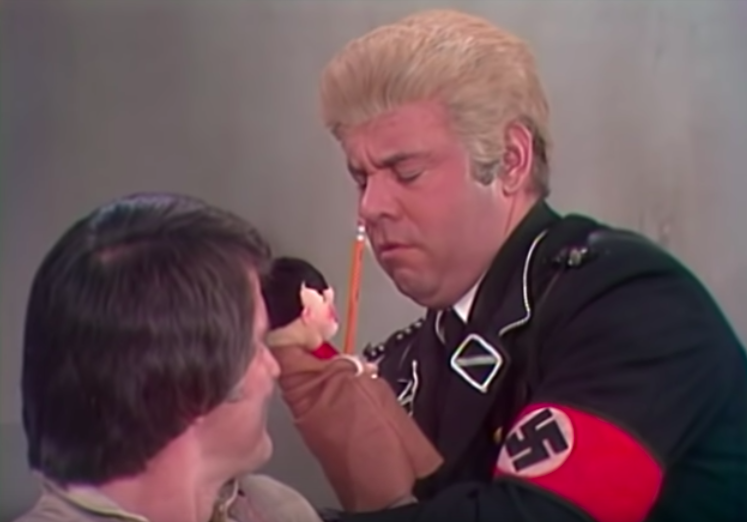
Your Mental Sorbet: Carol Burnett Show - Interrogation Skit

Here is another
that we could use to momentarily forget about those
things that leave a bad taste in our mouths
Tuesday, March 17, 2020
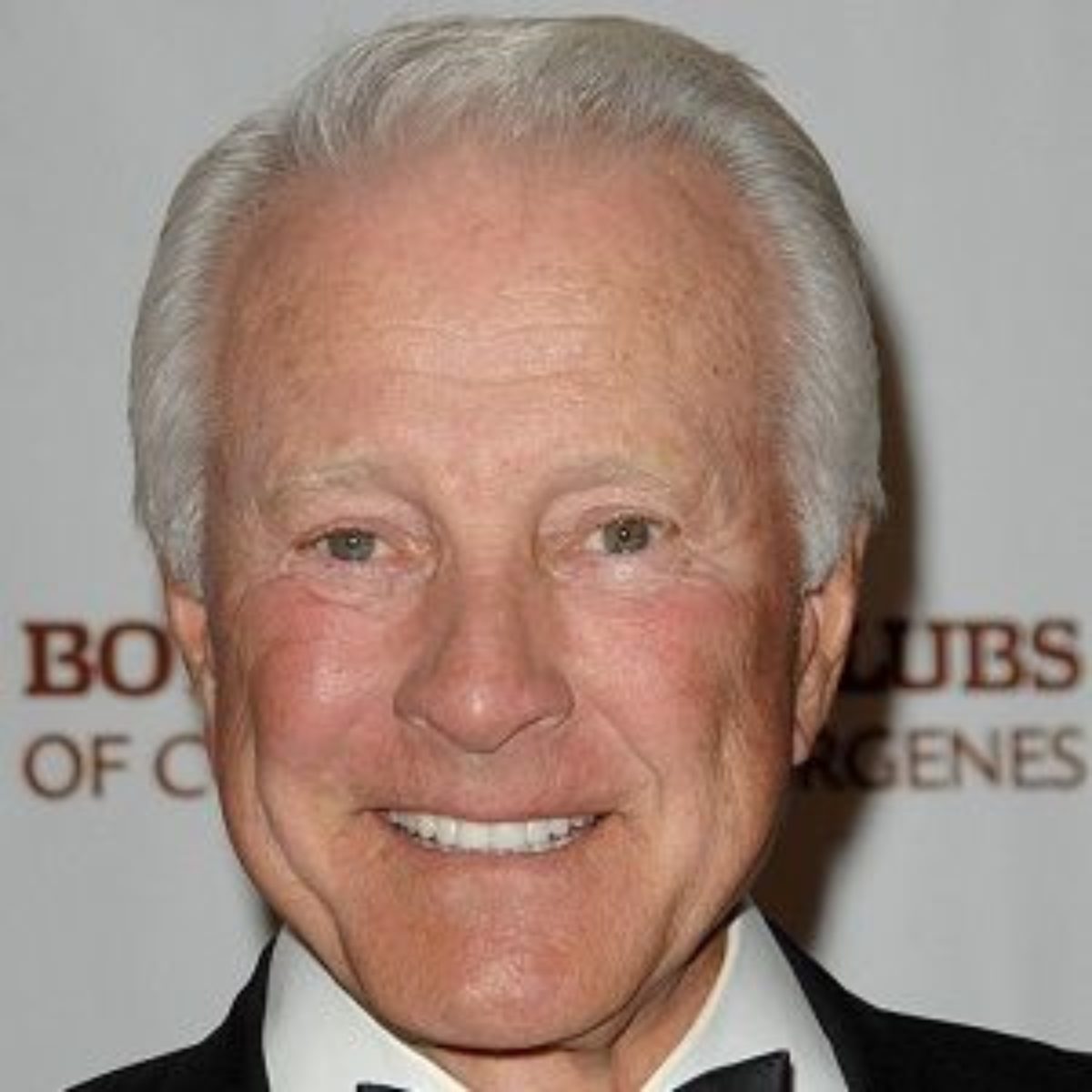
Lyle Waggoner
![]() |
| Lyle Wesley Waggoner April 13, 1935 — March 17, 2020) |
Lyle Waggoner died today, after a short illness.
By the mid-1960s, Waggoner was appearing regularly in television and films, including an episode of Gunsmoke. He was a finalist for the title role in the TV series version of Batman, but lost the role to Adam West.
In 1967, he appeared in Catalina Caper (with Tommy Kirk, a former child actor trying to restart his career as a young adult), a film which would eventually be lampooned by Mystery Science Theater 3000. He also had a minor guest-starring role in the season-three episode "Deadliest of the Species" of the TV series Lost in Space.
Also in 1967, Waggoner began a seven-year stint on The Carol Burnett Show, a comedy sketch and variety show, on which he appeared as announcer and performer. In 1973, Waggoner became Playgirl's first male seminude centerfold. Waggoner left The Carol Burnett Show in 1974 in the hopes of advancing his career as a lead actor. His spot on the show was filled by frequent guest star Tim Conway (and his role as announcer by Ernie Anderson). He has appeared on some of the show's reunion TV specials.
In 1976, Waggoner was appointed "mayor" of Encino, California, by the local chamber of commerce. The "mayor" is not an actual government official; the post is an honorary "goodwill ambassador" position. In addition to Waggoner, other holders of the title include Steve Allen, Mike Connors, Fred Travalena, Ronnie Schell, and Cesare Danova.
A year after leaving Carol Burnett, Waggoner landed the role of Steve Trevor for the pilot and first season of the television series Wonder Woman starring Lynda Carter. Initially set during World War II, when the subsequent two seasons advanced the timeline to the 1970s, Waggoner played Steve Trevor, Jr.
Waggoner also appeared in several TV movies and minor motion pictures during the 1970s and 1980s, often cast for “hunk” appeal. He has also made guest appearances on numerous television series including Charlie's Angels, The San Pedro Beach Bums, Happy Days, Mork & Mindy, The Golden Girls, Ellen, and most recently The War at Home. Waggoner has also played at least three roles on The Love Boat, Fantasy Island, and Murder, She Wrote throughout their respective runs.
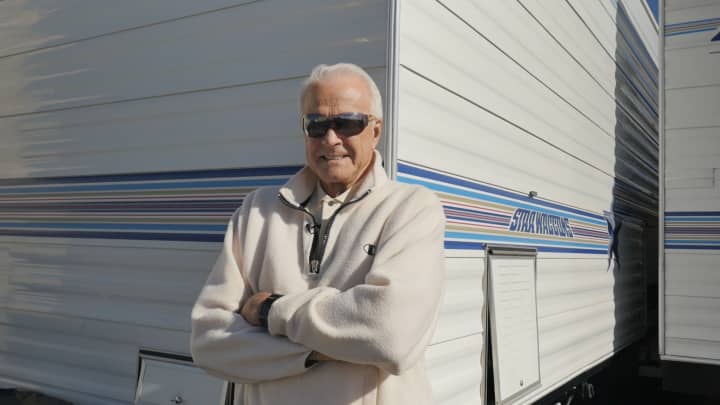
In 1979, Waggoner founded Star Waggons, a company that leases customized location trailers for use by the entertainment industry. In 1990, Waggoner co-produced and appeared in a consumer-product show called Consumer America with co-host Shawn Bruner. The show featured novel national products from self-help to home goods and lasted about two seasons.


Waggoner retired from full-time acting to run Star Waggons, but he makes occasional appearances, often parodying his earlier image (The Naked Truth, That '70s Show, and Return to the Batcave).
He resided near Jackson, Wyoming, where he was a sculptor. His works can be seen at Galleries West Fine Art in Jackson Hole, Wyoming, and are usually humorous renditions of lovely ladies, some of which are cast at Eagle Bronze in Lander, Wyoming. He also had homes in Manzanillo, Colima, Mexico; Oxnard California, and Westlake Village, California.
Subscribe to:
Posts (Atom)